
Tethered Drones vs Aerostats:
A Detailed Comparison
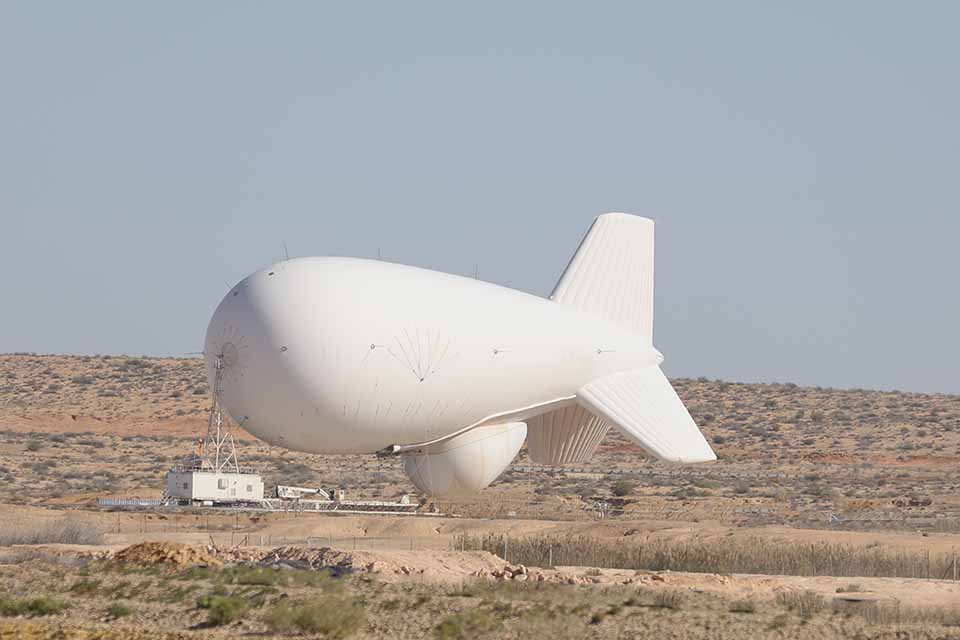
Aerostats
Lighter-than-air aircraft that float by using buoyant gases, relying on aerostatic lift, allowing for vertical takeoff.
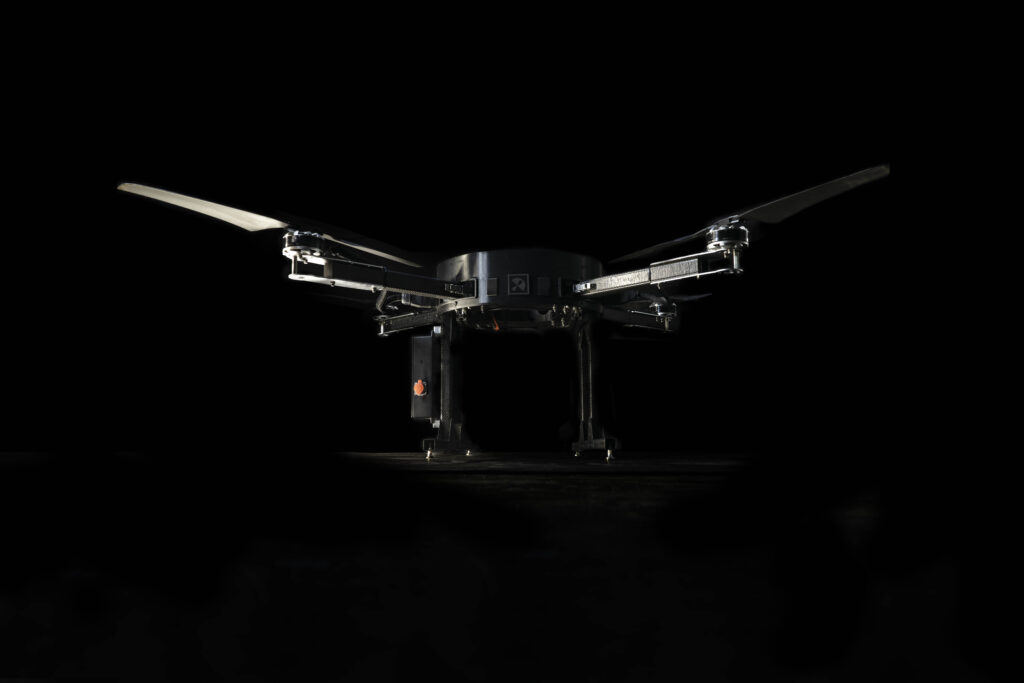
Tethered Drones
Light and mobile aerial systems. Deployed in minutes, adaptive, and efficient. Built for fast, flexible communication anywhere.
Aerostats
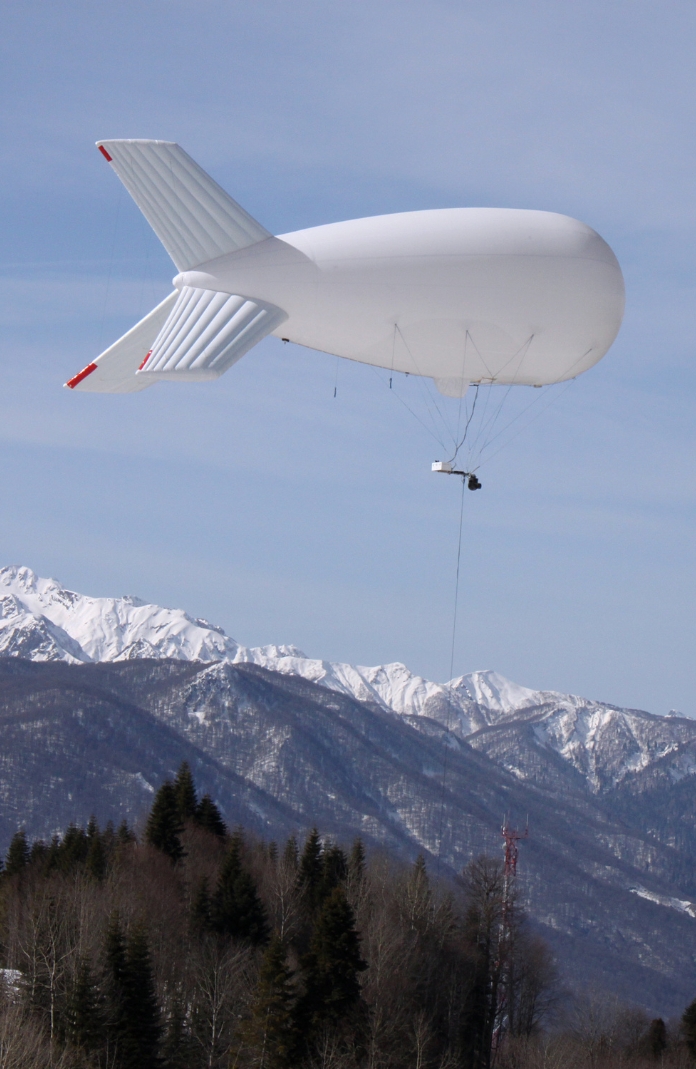
An aerostat is a lighter-than-air aircraft, like a balloon, dirigible or airship, that floats by using buoyant gases like helium, hydrogen or hot air. It gains altitude by being lighter than the surrounding air. Since it relies on aerostatic lift instead of aerodynamic lift, it is capable of vertical takeoff and landing (VTOL). Common uses include surveillance, advertising, or research. Tethered balloons like barrage balloons & weather balloons, powered, steerable airships like blimps & Zeppelins are just some examples of different types of aerostats.
Aerostats can stay airborne for weeks and months, allowing for consistent and continuous monitoring. They require less specialized pilot training and are a cost effective way to implement long-term wide-area surveillance and reconnaissance.
Winds, air pressure, rain, any extreme weather event can affect the operation of aerostats. Excessive winds can damage the aerostat or sever the tether attaching the aerostat to the ground. Additionally, changes in air pressure can affect the operational altitude and payload capacity of aerostats.
Larger aerostats can carry heavier payloads to higher altitudes. But they also require elaborate, more complicated support structures, more personnel, and a larger area to set up. After the aerostat is filled up and is airborne, it needs to undergo regular maintenance, including gas refills, as the gas can leak. Larger aerostats require more operators, with specific training and safety protocols.
Tethered Drones
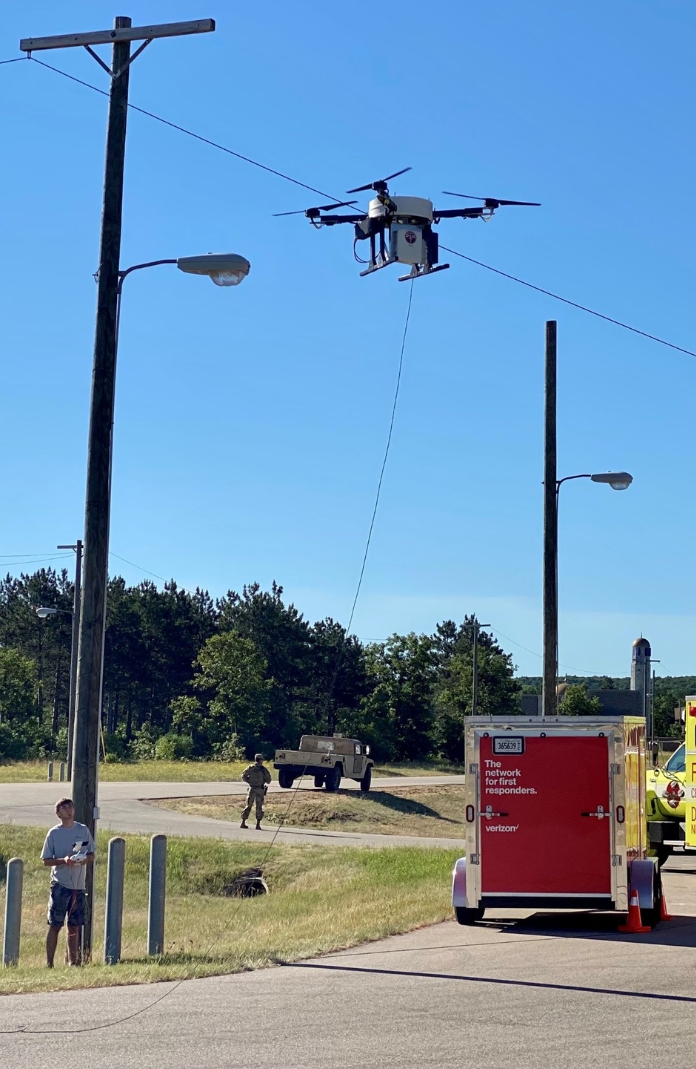
Tethered drones are used together with aerostats for a comprehensive, layered intelligence, surveillance, reconnaissance (ISR) operation. They can provide localized, tactical support in high traffic areas, or in confined locations where it’s physically not possible to have an aerostat. Not only that, they also counter the limitations of aerostats.
Unlike a tethered aerostat, we can launch the Superfly tether system from a compact case that is portable and fits in the back of a car. It is airborne in less than 10 minutes.
The platform can rise to 100 – 120 meters, creating wide coverage instantly, even in areas with limited-to-no-access to roads. It is designed for field operations, military communications, large events and emergency response.
Due to it’s design and compact size a tethered drone can withstand weather events better than an aerostat. It can reposition itself in real time to follow people or vehicles. The altitude adjusts automatically for optimal signal quality.
That flexibility makes tethered drones ideal for volatile environments like refugee camps, disaster hit areas, rescue missions, outdoor festivals where coverage needs to evolve hour by hour.
Just like an aerostat, a tethered drone can be powered directly from the ground, flying for hours, even days. The Superfly fiber optic tether carries both energy and high-speed data, ensuring a stable connection that is not susceptible to jamming, spoofing or electromagnetic interference.
Also, the initial and operational cost of a tethered drone is much lower compared to an aerostat. It’s continuous coverage that is safe, reliable and cost efficient.
The Vision Behind Spooky Action
In his TEDx talk, Rahul Tiwari described the future of communication as “Infrastructure designed to move as fast as our needs evolve”. That’s the essence of Spooky Action’s technology turning mobility, autonomy, and intelligence into a new kind of airborne network.
Instead of waiting to build expensive infrastructure that requires long-term investment and planning we deploy tethered drones in the sky rapidly, tactically, at a fraction of the cost. Spooky Action doesn’t replace infrastructure — it redefines how fast we can bring it to life. Towers built communication for the 20th century. Tethered systems are building it for the 21st century.
Power from the ground. Coverage in the air. Connectivity without limits.